Lawyers & Judges Publishing Company, Inc.
Cart 0
Physical Evidence in Forensic Science, Third Edition - Lawyers & Judges Publishing Company, Inc.

Physical Evidence in Forensic Science, Third Edition

$ 35.00

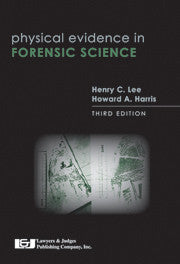
Physical Evidence in Forensic Science, Third Edition by Howard A. Harris and Henry C. Lee is the classic reference by two of America's leading forensic scientists. This 324-page softcover provides an insider's understanding of physical evidence at the crime scene — covering collection, preservation, laboratory analysis, and courtroom presentation for investigators, trial lawyers, and law enforcement agencies.

  • Authors: Howard A. Harris, Henry C. Lee
  • ISBN-10: 1-930056-01-X
  • ISBN-13: 978-1-930056-01-5 (also ISBN-13: 978-1-936360-01-7)
  • Copyright: March 30, 2000
  • Pages: 324
  • Binding: Softcover
  • Size: 6 x 9 inches

Part I — Forensic Science Overview:

Introduction to forensic science and the future of the discipline in courtroom and society — covering criminalistics, forensic medicine, anthropology, odontology, toxicology, entomology, engineering, photography, accounting, and digital forensics.

Part II — Physical Evidence Types (Collection, Preservation & Analysis):

  • Arson and fire evidence
  • Bite marks
  • Blood and body fluids
  • Bombs and explosives
  • Chemical substances
  • Digital and multimedia evidence (computer forensics)
  • DNA analysis — RFLP, PCR, STR, Y-STR, and mitochondrial DNA
  • Questioned documents
  • Drugs and controlled substances
  • Fibers, fingerprints, firearms, glass, gunshot residue, hair
  • Imprint and impression evidence
  • Paint evidence, pattern evidence, plastics, semen
  • Serial number restoration, soil, tape, toolmarks, voice identification

Part III — Legal Considerations:

  • Search and seizure — Fourth Amendment, warrantless searches, consent, and exigency
  • Effect of Daubert v. Merrell Dow on expert evidence admissibility
  • Professional handling — chain of custody and evidence packaging

Appendices cover common blood screening test reagents and the druggist's fold for sealing evidence.
Customer Reviews

Based on 2 reviews
100%
(2)
0%
(0)
0%
(0)
0%
(0)
0%
(0)
J
Journal of Forensic Science, Sept 2000, Vol. 45, 5

"...this would be a welcome resource for beginning students ... it helps to organize the field and make it coherent."

E
Enrico Pelazzo
The Forensic Teacher Magazine

This text will be of immediate value to anyone who wants to know more about forensics than theyre likely to get from an introductory book, or even an basic course in the subject. The text is divided into three areas: general concepts in forensic science, laboratory analysis of physical evidence, and the legal aspects of forensic science. Each section is dealt with thoroughly and in an extremely orderly manner. The first section, general concepts in forensic science, is an introduction to the discipline with many clear examples and definitions. It also lays the groundwork for the proper frame of mind one needs to engage in the collection of forensic evidence, and the later analysis and use of that evidence. The second section, laboratory analysis of physical evidence, is a detailed description of exactly how to collect and analyze various types of physical evidence. The list of topics is exhaustive: arson and fire evidence, bite marks, blood, body fluids other than blood, bombs and explosives, chemical substances, computers as evidence, DNA analysis, documents, drugs and controlled substances, fibers, fingerprints, firearms, glass, gunshot residue, hair, imprint and impression evidence, pains, pattern evidence, plastics, semen, serial number restoration, soil, tape, toolmarks, video evidence, and voice identification. Keep in mind that each chapter discusses what the evidence is, how to collect it, and how to analyze it. There is no discussion of the history of the science in each case, or of famous cases where this type of evidence proved crucial. This is the information you want and no more if youre interested in identifying, collecting, and analyzing each type of evidence. And, while it may not make for compelling summer-on-the-beach reading, it will prove invaluable when it comes to making sure your content is correct for your students, that theyre collecting and processing it in a recommended fashion, and that they know what to do with it.; The third section deals extensively with the law, specifically search and seizure, but manages to remain interesting to read. The appendix gives recipes for many of the reagents used in the book, and a comprehensive index follows. The title of this book says it all: this one is just about everything you want to know about finding, collecting, and processing each kind of physical evidence. Photographs are liberally sprinkled throughout. If you want a storybook or a sensational account of killers and criminals look elsewhere. Everyone else, especially teachers, will appreciate the material between its covers.

Customer Reviews

Based on 2 reviews Write a review

Customer Reviews

Based on 2 reviews Write a review

Share this Product


More from this collection